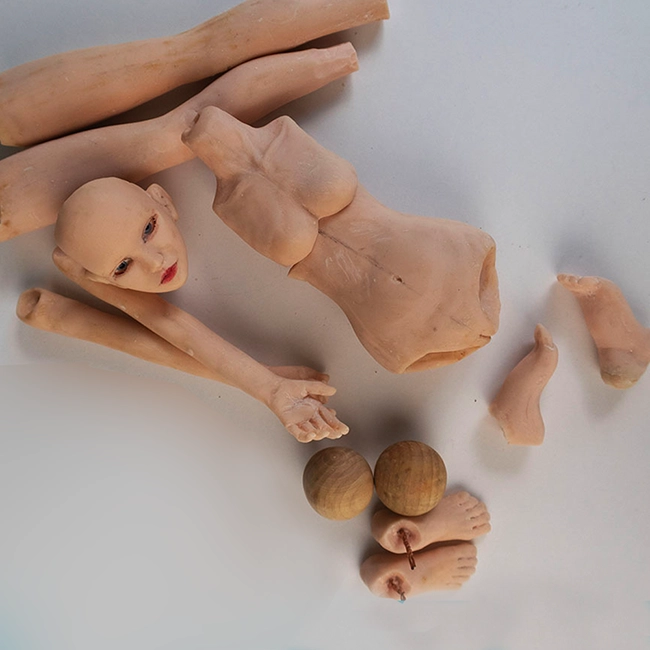
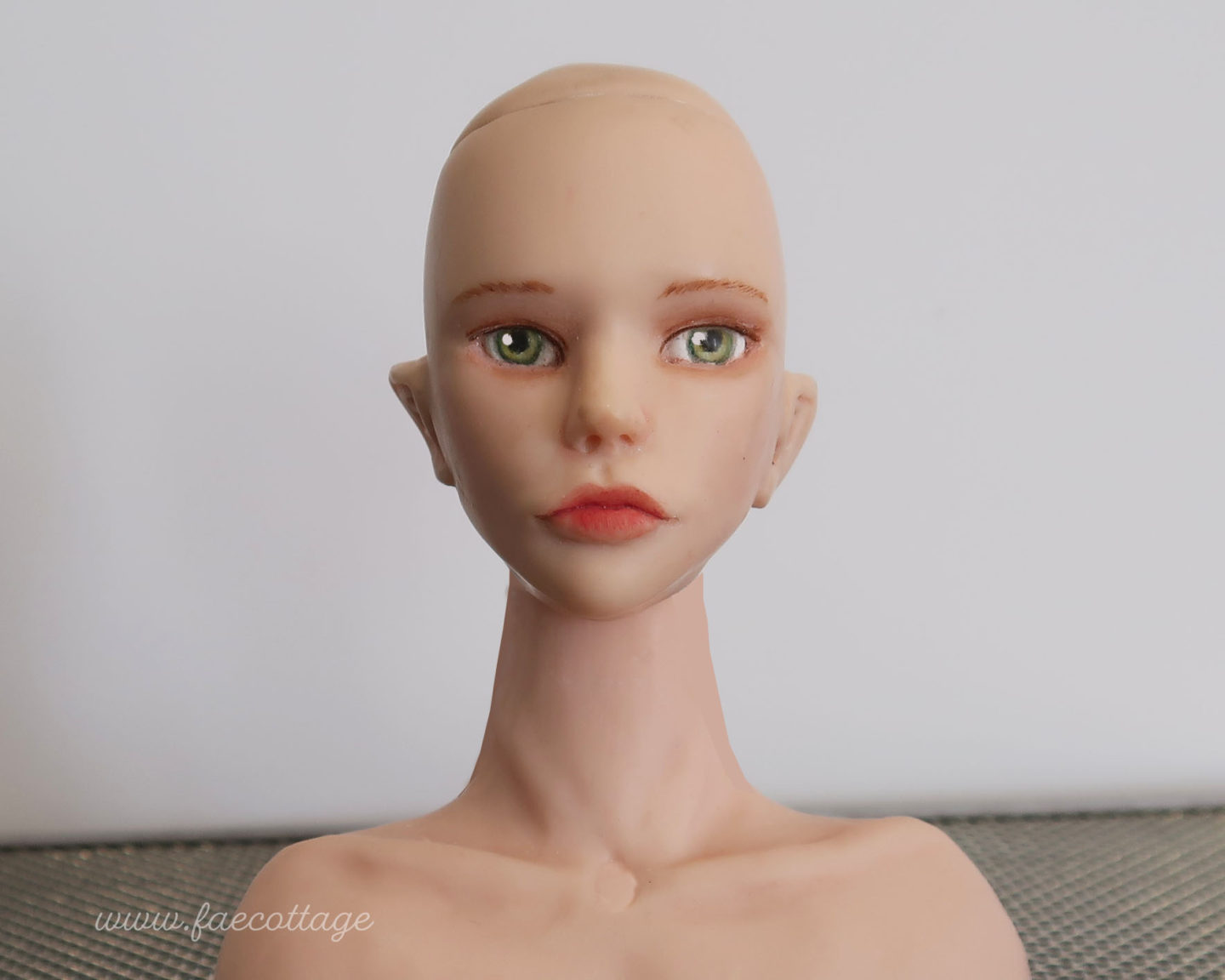
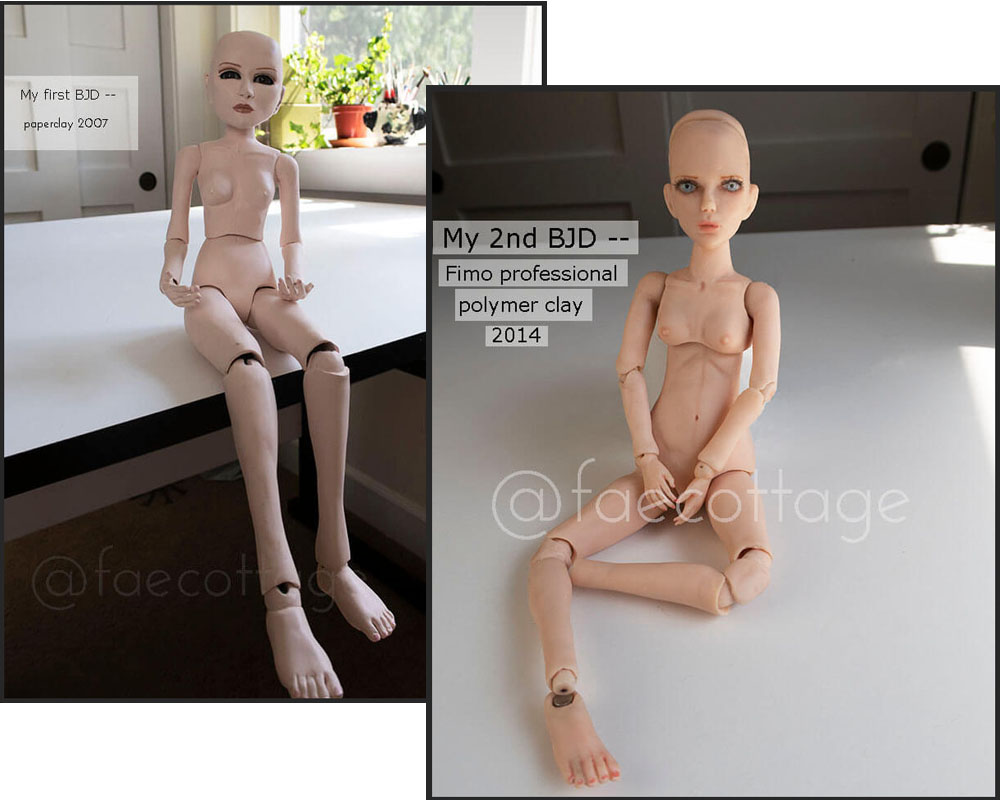
Back in 2007, when I first started learning how to sculpt a BJD, I had no idea when or if I’d ever cast my creations in resin. But my determination to uncover all the “hows” kept me going on the road to becoming a ball-jointed doll artist, and I’m almost there!
Here on my blog, I invite you to join me on my adventure through art, drawing and becoming a ball-jointed doll artist. I’ll be sharing with you what I learn as I go. I learned about the Ball-Jointed Doll Phenomenon around 2006 when I saw some BJDs on one of my favorite artist’s blog.
Soon after I bought my first ball-jointed doll, I found the Den of Angels doll-making forum. There, I discovered other artists in the process of making their own dolls. I learned how they crafted their BJD dolls from paper or polymer clay. Watching them make molds and cast their creations in resin gave me the inspiration that I could do it too.
I owe a debt of gratitude to DOA for having the artists section on their forum in the early days. Without that group, I might never have believed I could learn to sculpt a BJD or realize that casting them myself was possible. I thought all professional-quality dolls were created in factories using machines and assembly lines!
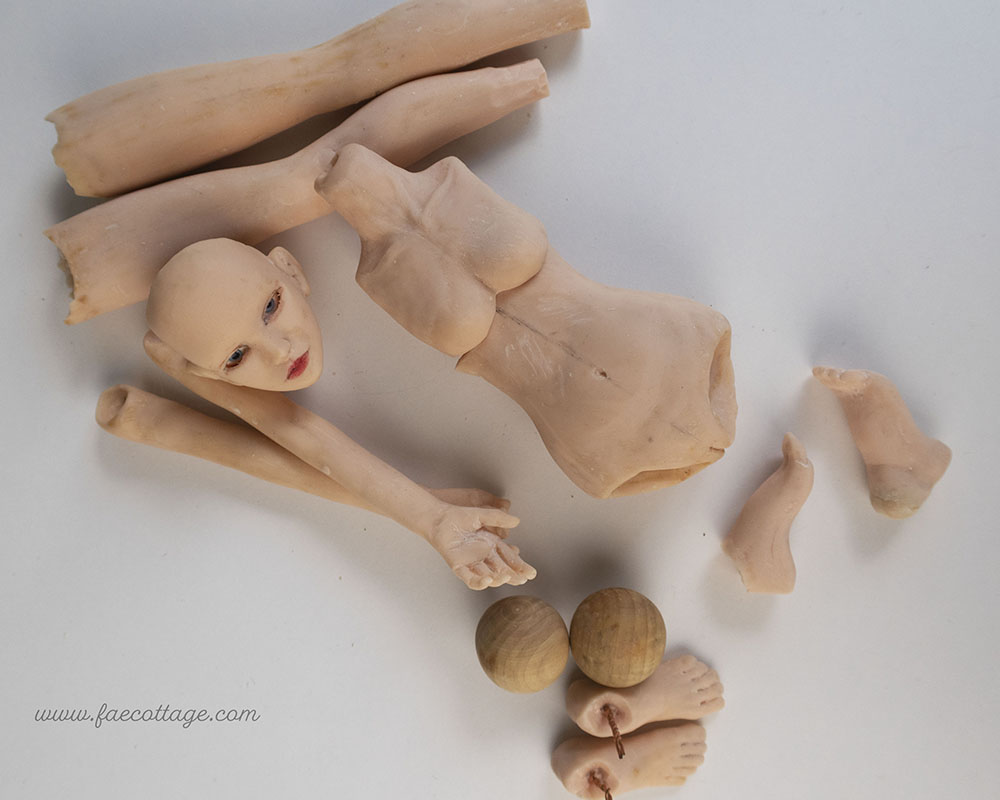
My journey hasn’t been a short one. First, I had to learn to sculpt a BJD well enough to create something worth casting. I remember asking my husband, “Honey, if I make a ball-jointed doll good enough to cast, will you cast it for me?” He said, “Of course I will!” I’m not sure he thought I’d stick with my dream of wanting to be a ball-jointed artist for so long, but I’m almost there.
When Life Gets in the Way of Your Dreams, Don’t Give Up
A whole decade has elapsed since I started my journey to become a ball-jointed doll artist and learn the art of sculpting BJD dolls. Unfortunately, a few summers back, my mother suffered a fall, and upon returning home from the hospital, I assumed the role of her full-time caregiver. Consequently, my doll making was put on hold. Art should have been my outlet, but caring for my mom who was suffering from dementia left me too emotionally drained.
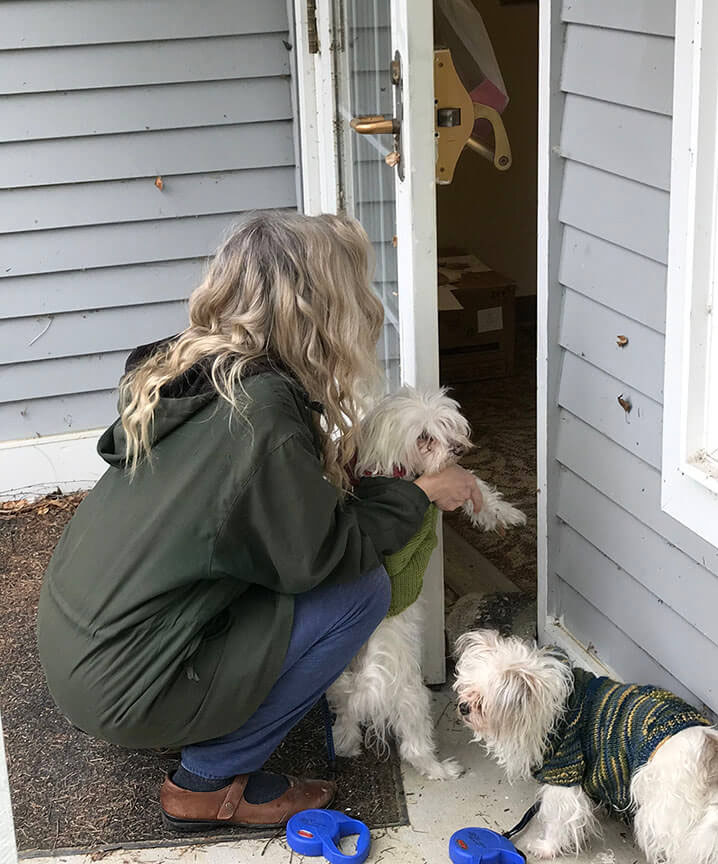
In January 2020, we moved my mother to a nursing home just before the pandemic struck. They limited our visits to the other side of a closed glass door for nearly a year. Occasionally a compassionate nurse opened the door a crack so that her dog, Barney, could slip through. Thankfully, by winter 2022, the nursing home permitted us to take her outside to the sheltered porch area for visits.
Sadly, my mother passed away last year. I have gratitude for the few months of more normal visits we shared. I’m only just getting back into my routine of creating artwork, drawing, and doll-making. I know my mom wanted me to continue, as she was my most ardent supporter.
Balancing Skills: Becoming a Ball-Jointed Doll Artist
I had never heard of 3-D printing when I started learning to sculpt. Now, many artists use programs like Blender, Maya, or ZBrush to create their dolls.
I still sculpt my dolls entirely by hand because I love working with the clay; I love the feel of it as it softens in my hands and the slow, deliberate rhythm of the work. Seeing a doll slowly coming to life beneath my hands brings me joy.
However, I’m starting to learn Z-Brush, but it’s a complicated program. It will take me a while to learn to sculpt on the computer as well as I can sculpt with clay. But one thing I like about the program is that it tries to replicate the sculpting process.
Some people think sculpting with a 3-D program is like using AI, but it’s not. You still need good drawing skills and the ability to image your piece in 3 dimensions as you turn it and work from different angles.
In the meantime, I started making 1/4 scale pose-able dolls with cloth bodies. Each is unique, and I plan to cast some of their heads as part of a future BJD project.
The Value of Learning to Draw First
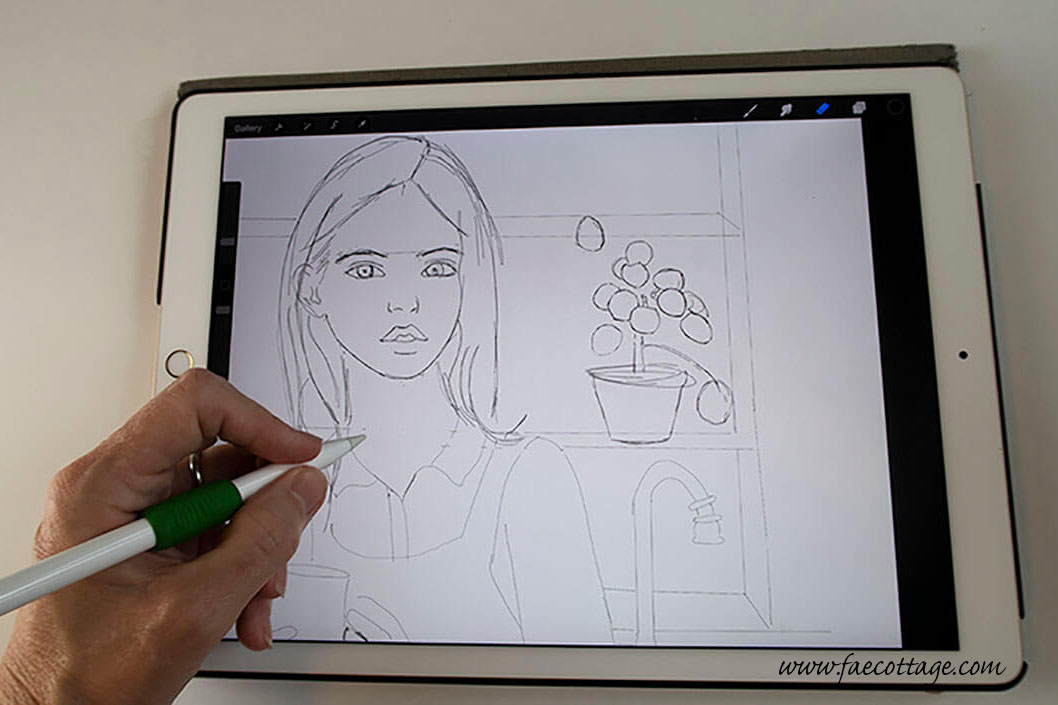
Sculpting was much easier to learn for me because I already could draw realistically. Practicing daily drawing helps me notice little details when sculpting that are off. For example, when one of the eyes is higher than the other, or the mouth is too far below the nose. Drawing faces, lots and lots of faces, helps you create a visual memory in your mind about how exactly a face should look.
I continue to draw faces and figures daily. My mornings start with a cup of tea and some warm-up sketches, followed by drawing several faces, bodies or practice gesture drawing. A drawing routine makes mornings an enjoyable, stress-free part of my life.
Lessons from Learning to Sculpt a BJD
1.) It’s never too late to become an artist. No matter where you are in life, you can start learning a new skill.
2.) Making art is a great way to reduce stress. Stick with it and let the creative process soothe your mind.
3.). Art can be learned. Don’t be afraid to pursue your artistic dreams, even if you’re a complete beginner.
4.) Make art time a priority. Schedule time for your art and make it an essential part of your daily routine.
5.) Embrace the learning process. Understand that making mistakes is a natural part of learning any new skill. Don’t let them hold you back.
You can’t change the past or travel back in time. However, there’s no reason not to start learning a new skill right now, wherever you are in life. It is always possible to become an artist
Download my warm-up worksheets to inspire you to get started with daily drawing. They motivate me to draw every day! I’d love for you to try these out. They help to shift you into a less critical frame of mind for drawing. Embrace the fact that you’ll make mistakes, and don’t let them stop you.
The Most Important Lesson: Finish What You Start
My father used to say to me, “Janna, you quit everything you start.” Although many of the activities I quit were chosen by my parents. But that statement became ingrained and affected me even as an adult. To change that belief, say to myself a reminder. “I try many things to see whether I am truly interested in them. Then, if I don’t like it, I’m free to quit.”
But this time, I’m determined to prove my dad wrong by casting one of my dolls in resin and truly becoming a ball-jointed doll artist. Even if our progress is slower than we’d like or others who started later pass us by, if we refuse to give up, we will never fail.
Do you ever find yourself unexpectedly on the receiving end of getting unwanted advice you didn’t ask for, leaving you feeling stressed or defensive? It’s a familiar experience for many of us; you’re certainly not alone in feeling this way. Understanding the motives behind unsolicited advice can be enlightening. Also, it helps you respond with grace. People often mean well, but sometimes their advice reflects their own needs, such as a desire for control or validation, rather than your best interests.
An article from VeryWellMind sheds some light on this. “People who grow up in chronically stressful environments in which they did not feel safe… may have trouble self-regulation and seek to avoid uncomfortable feelings through external validation.” So, responding in a way that doesn’t diminish your power or self-worth is essential.
Here’s a real-life example from a Facebook group I frequent. A member recounted how a relative gave her unwanted job advice at a family event. She nodded along, not mentioning her contentment as a homemaker. She said, “I just went along agreeing with him instead of telling him that I was happy to be a homemaker and that my husband and I could afford for me to stay home right now.” Later, she regretted not speaking up for herself, feeling both angry and embarrassed for being drawn into a guilt-tripping conversation.
My Journey with Unwanted Advice: When Dreams and Reality Clash
I’ve been in a similar boat myself. After taking a break from college due to my dad’s passing when I was 19, I was determined to pursue my dream of becoming a romance novelist. Think Harlequin or perhaps diving into the pre-Harry Potter world of young adult fiction.
But here’s the twist: My neighbor, with all good intentions, believed she knew what was best for me. She assumed job hunting was the next logical step since I wasn’t in college. She was unaware of my passion for writing, as my introverted nature kept my dream of being a published author private. Unbeknownst to her, I spent my days writing fiction on my mom’s old typewriter, not sitting around watching television soaps.
My goal was to break into the short story market, which was challenging, especially for young adult themes at that time. However, I found a niche with small Christian publishers and started submitting my stories. I set a one-year deadline to begin making a living as a writer.
As the year’s end approached, my anxiety skyrocketed each time I heard the mail truck stop out front. Would it be another rejection slip? At first, I mainly received form rejections, but slowly, encouraging notes started appearing at the bottom of these letters. And then, finally, success! I received a check for $150 for my first published story. But here’s the catch – one published story didn’t equate to a steady income. I longed for the days of Jane Austen and the Brontë sisters when women had the leisure to pursue writing without the constant pressure of earning a living. Despite publishing three short stories and selling second publishing rights on one, I hadn’t met my financial goal. In retrospect, I wish I had dared to attempt a novel, but the daunting length intimidated me. Convincing myself I couldn’t do it, I took a secretarial job for a while before eventually returning to college.
Coping Strategies to Use When Getting Unwanted Advice -5 Phrases to Help Avoid a Confrontation
You’re not alone if you are tired of constantly getting unwanted advice about absolutely everything. Next time you’re expecting a visit from that well-meaning but overbearing relative or friend, arm yourself with some of these handy phrases:
“I’ll have to think about that.” – A polite way to acknowledge their input without committing to it.
“That’s an interesting observation; however, we like it this way.” – Gently asserts your preference.
“I’m not looking for advice right now, but I’ll let you know.” – Clearly states your current stance.
“That actually goes against my values.” – A firm response that sets boundaries.
“Good idea. I’ll have to think about some of those options.” – Acknowledges their effort while giving you space.
For Other Artists Out There:
“No, it’s not upside down.” – For when your artistic vision is questioned.
“Her hair was meant to be that color.” – Affirming your creative choices.
“I didn’t forget the ears. They’re just covered by the hair.” – Standing by your artistic decisions.
When receiving unsolicited advice, it’s essential to consider its source. Is it from someone familiar in your life or a stranger at the supermarket? An in-person acquaintance or an online contact? The origin of the advice can guide how you handle it. Suppose someone you regularly see in your life is always giving you unwanted advice. In that case, you have an ongoing relationship to consider. But if the person in the checkout line behind you says, “That detergent is terrible. You should buy brand X; you can easily reply, “I’m not going to do that,” check out, and leave.
Positive Reasons People Offer Advice
People often offer advice to start a conversation, which is done out of friendliness. Or they have been in a similar situation as the one they feel you are now in. They hope their wisdom can guide you more quickly to a better place.
This type of advice typically comes from parents. They then feel frustrated that the kids didn’t listen and must suffer through the situation the parent warned them about.
Here’s another example: sometimes a friend is so excited about a new weight loss method that works for them, or they think you should join the fantastic gym or timeshare they just found with them. Since you’re friends, they are sure that something that works for them will also work for you. Many of us have a lot of energy and love to share when we get excited.
While these are some of the positive reasons people might find themselves getting unwanted advice, it’s crucial to remember that not every piece of advice, no matter how well-intentioned, is applicable or helpful in your unique situation
The Not-So-Positive Side of Getting Unwanted Advice
On the flip side, not all advice comes from a place of goodwill. Unfortunately, some people use advice as a tool for criticism rather than assistance. It’s more about pointing out what they perceive as flaws rather than genuinely wanting to help.
Then there’s the issue of one-upmanship. In some relationships, advice becomes a way for one person to establish dominance over the other, turning what should be a supportive interaction into a subtle power play. For example, have you ever been excited about losing a few pounds, and then a friend tells you how much more they lost with their new diet and exercise routine? This has happened to me too many times, and then shifting to a different plan undoes all the progress I’d made.
And let’s not forget those who thrive on debate. For these people, giving advice is less about helping and more about setting the stage for an argument they aim to win. Someone with this type of energy is often called an ‘energy vampire.’ Those handy deflection phrases become invaluable when encountering this type of person, helping you navigate the conversation without getting drawn into a battle.
Most importantly, remember that walking away is often an option. You’re not obligated to participate in every discussion or argument, especially when it’s clear that the conversation is more about conflict than constructive exchange. Prioritizing your mental well-being and peace of mind is far more important than engaging in a fruitless debate. After all, preserving your energy is essential for your own health and happiness
Getting Unwanted Advice Online
In the vast expanse of the internet, advice comes at you from all directions. One of my favorite course creators cautions her students to always consider the source of the advice they find online, especially in forums. For example, suppose you participate in online discussion groups. Many times, uber-active members always seem to be in the discussion. It’s as if they spend their whole day hanging out in the group, waiting to comment on whatever anyone posts. However, before following any advice they offer, you would be wise to check out their own blogs or social media to see whether they are really walking their talk.
Speaking of online advice, my teenage son has an interesting take on game chats. He finds it amusing (and a bit ironic) that often, the least skilled players are the ones most eager to tell everyone else how to play. Go figure!
Knowing When to Listen
It’s crucial to learn how to separate the wheat from the chaff when it comes to advice. Try to discern the intentions behind it. Is the person genuinely looking out for you, or are they driven by their own motives?
Listening with your heart is vital. It’s not just about the advice but also about understanding who’s giving it. This insight helps you decide not only if the advice is worth taking but also if this is someone you should share your personal details with.
Now, you might be wondering about the best piece of unsolicited advice I’ve ever received. Well, when I was at a crossroads about what major to choose in college, my mom simply said, “I think you should pick art.”