On both Instagram and Pinterest, some of the most popular accounts are by portrait artists or character creators. Not only do many of us love to draw the human face, we love to look at drawings and paintings by other artists who seem to have it all figured out, while we still struggle. Drawing warm up exercises reduce the stress of staring at a blank page.
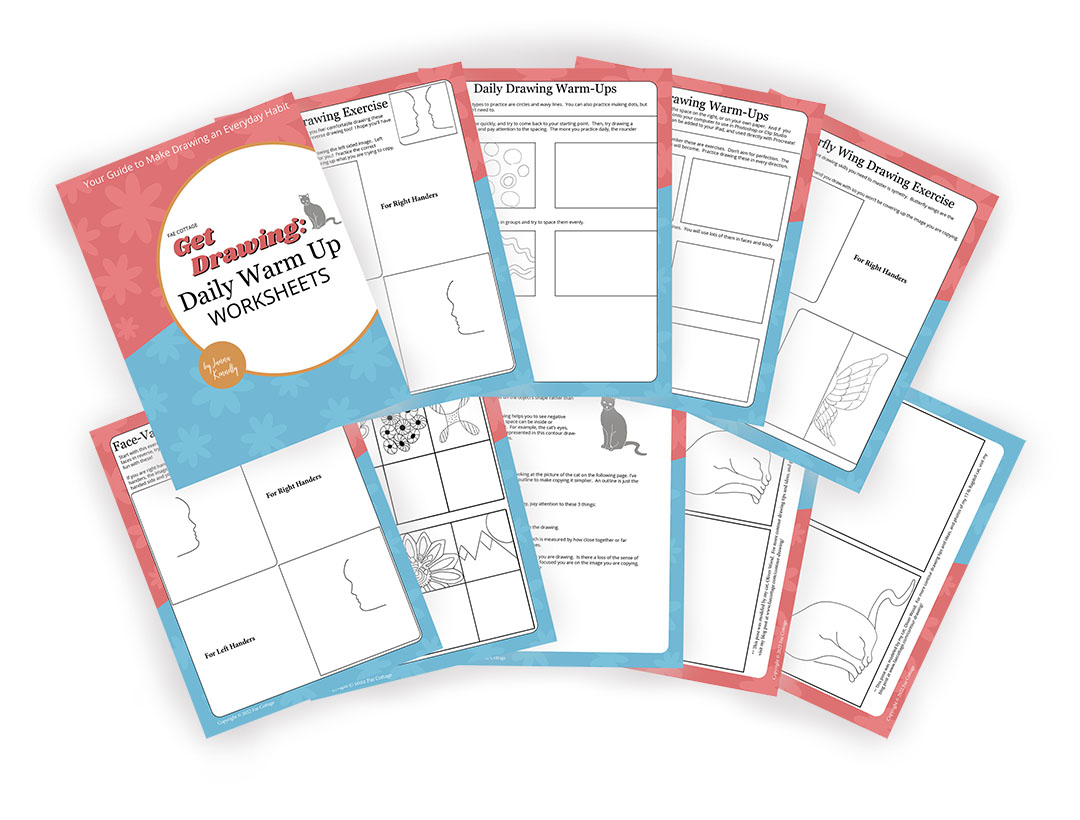
To help you get started making drawing part of your daily routine, I’ve created these Drawing Warm-Up Exercise Worksheets. Just 5 or 10 minutes is all the time you need!
Why Beginner Artists Often Draw Symbols Instead of What They Really See
What do you think of when you hear the word, symbol? Those of us old enough might think of Prince, the musician who changed his name to a symbol, and then changed it back again.
Or you might think of Horus, the Egyptian god and the all seeing eye. That is more closely related to what I’m talking about. For example, right now, you might even be imagining in your minds eye the all seeing eye of Horus. We see it everywhere, it’s even on our money. But the fact that you can picture it in your mind right now is evidence that this symbol is imprinted on your psyche.
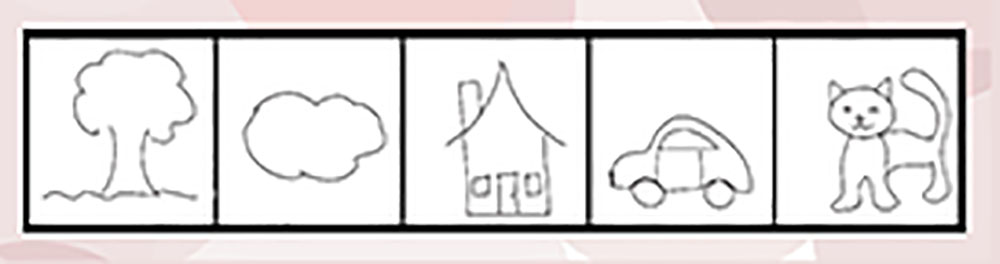
Symbols are literally etched into our brain at a very young age. When you look at many of the drawings of public school children, they are full of symbols. For instance, why did we draw people as stick figures? People don’t look like sticks.
Or why did we draw little rectangular houses with triangular roofs, square windows, and a rectangle door? Anything can become a symbol if we repeat it enough times.
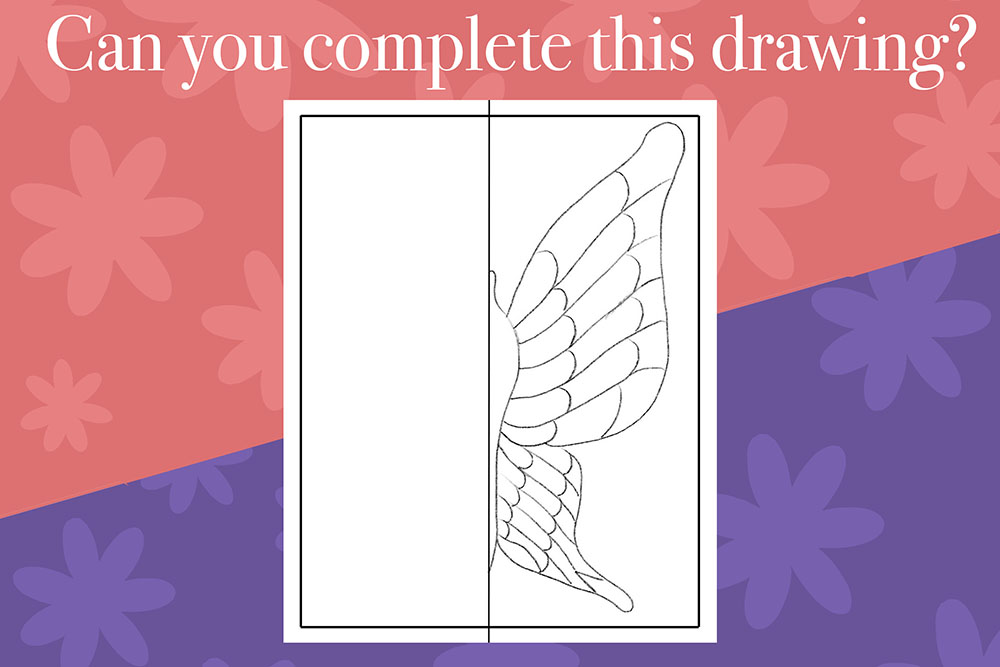
Over the past couple of decades, there has been a lot of research in the art field on ways to help our brains decode the symbols, and draw realistic images more easily. Drawing reverse images is one of these techniques.
Children Learn to Memorize Symbols as a Short Cut
As children, we recognize these symbols, repeat them, and often even correct other children who do it “wrong”. I remember working on a drawing in Sunday school one morning, and I drew a big round sun in the sky behind my house. A classmate noticed my drawing, and promptly told me my sun was “all wrong”. Then proceeded showing me how a sun should be drawn, right on my paper with her crayons.
For a long time after that, I only drew my suns up in the corner of my pictures, a wedged shaped sun with most of it disappearing into imagination land off the paper. Maybe I even saw another child’s drawing, and told them their sun was wrong too, just like had been done to me.
But deep inside I still liked my round sun because when I looked up into the sky, that is what I saw, not a pie slice shaped sun with the rest of it disappearing off the sky.
Recalling Childhood Images
Here are some more examples of objects that we learn symbols for as children:
- tree
- cloud
- cat
- dog
- fish
- building
- car
- hair
- nose
- mouth
- face
If you can picture many of these words the way you drew them as a child, what happens when you start to draw something now as an adult who wants draw things realistically or even imaginatively. Your brain calls up these images.
For example, as children we often drew eyes over and over. They were sort of a fish shape with a circle and a dot in the middle.
However, realistic eyes can be drawn in many shapes, depending on the angle of the face we are drawing.
How to Stop Drawing Symbols and Start Drawing What Your Eyes Really See
First, realize your brain naturally does this. It’s easier for it to store information, and then connect it to all sorts of other information. Ask yourself questions as you draw such as, “What is the shape?”, or “What is the angle?”
Try not naming or calling what you are drawing an eye, or a nose. Because the analytic part or the brain where symbols are stored loves to name things. Then it connects the names to the symbols. Even though this part of the brain stores the symbols, it doesn’t know how to draw.
For example, the part of the brain that stores symbols doesn’t know that an eye really looks like. One of the reasons most people feel faces are so difficult to draw is because we tend to draw the features as symbols, and then they don’t look correct.
Make Drawing Warm up Exercises Part of your Routine
Try some left brain/right brain exercises such as:
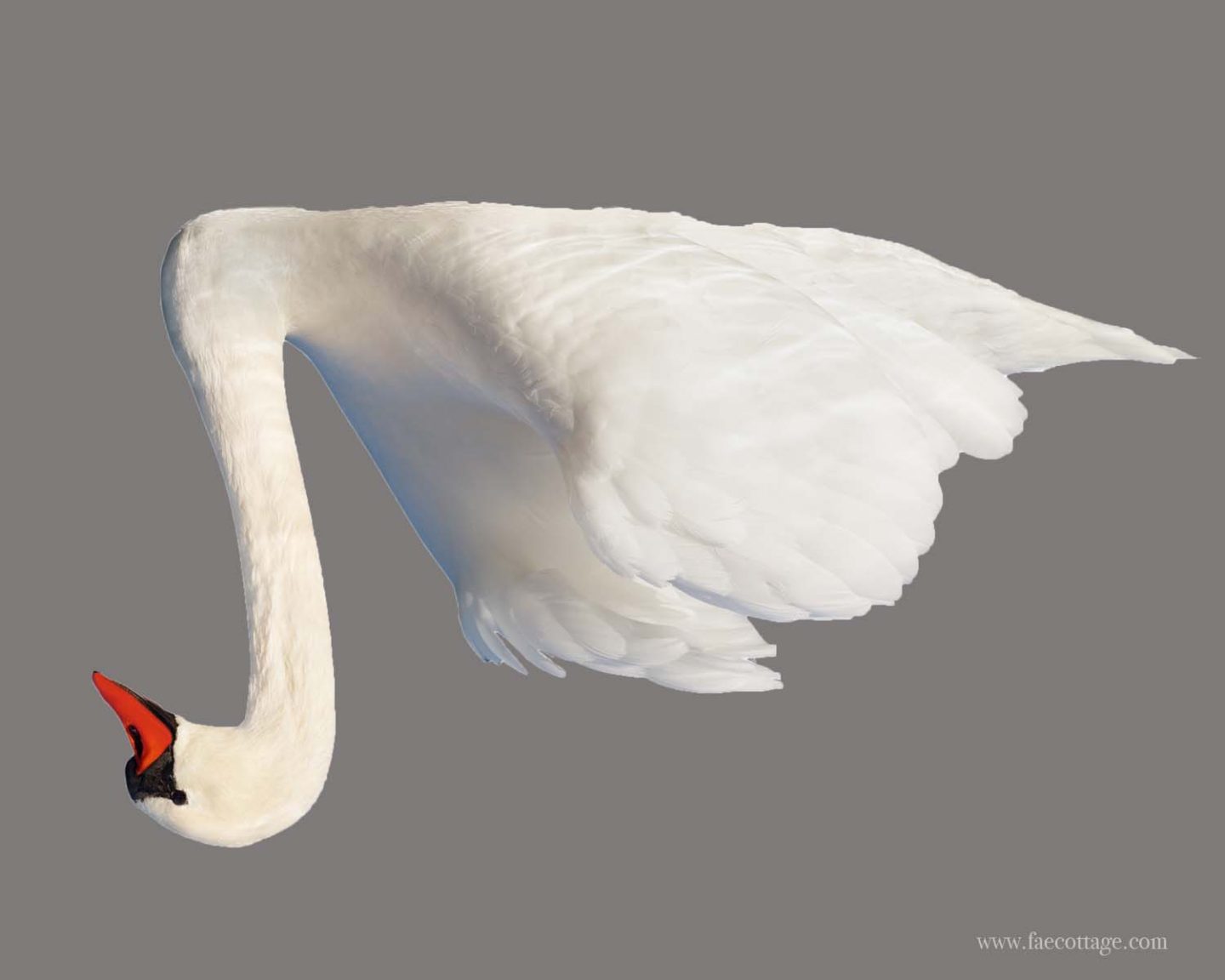
- Turning your reference photo upside down.
- Draw with your non-dominate hand.
- Draw the outline of an image while not looking at your paper
Do drawing warm up exercises for 5 to 10 minutes as part of your daily drawing routine. Also, download my free Drawing Warm-Up Exercise Worksheets, and try some of these exercises to improve your drawing.
What exactly is warm up practice anyway?
Favorite drawing warm up exercises varies, I’m sure, from artist to artist. But generally, it’s a way to quiet our mind before we start to work on our drawings. Or to spend extra find working on basic skills, for example drawing straighter lines and perfectly round circles. Some artists draw several pages of circles, or straight and curved lines.
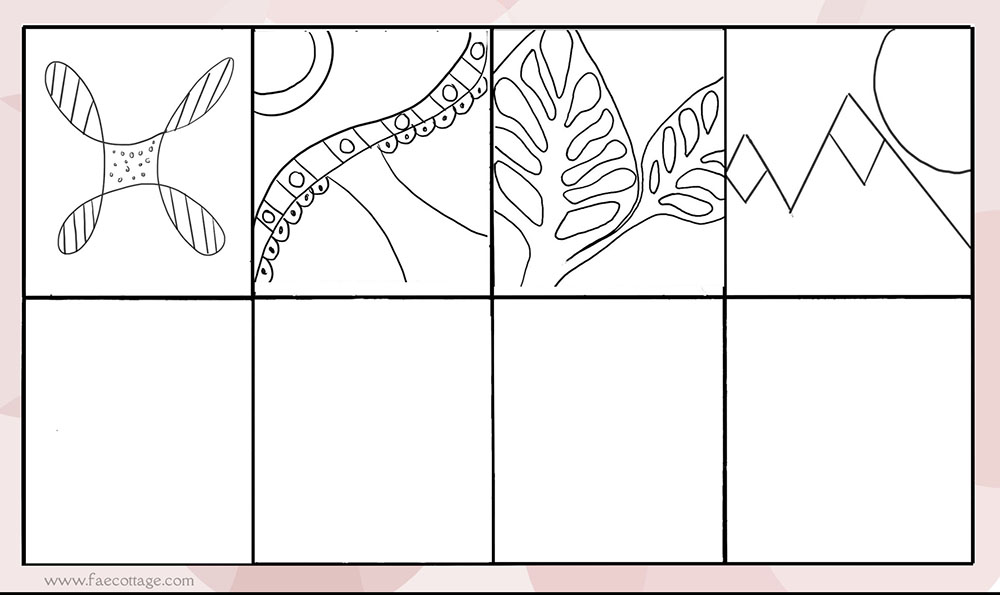
However, one of my favorite types of drawing warm up exercises are copying little abstracts that I call “puzzle pieces”. This is an exercise I learned while observing the children’s art class my son took Saturday mornings while in grade school.
Partly I think it was just used to help the children quiet down and focus. But as a side benefit, it also taught them to see and copy more accurately what they were looking at. In addition, since the drawings are small, they didn’t feel overwhelmed in completing them.
These “puzzle pieces” are a lot of fun and a great warm up for we adults too! I created a drawing exercise for myself that is a little more complex than the one the grade school age children were doing. It’s included in this free Drawing Warm Ups Workbook!
A Drawing Warm Up Exercise to Try
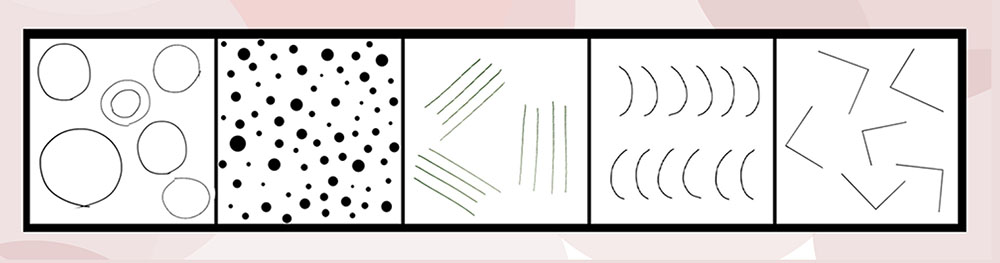
Practice drawing the 5 basic line types as part of your warm up routine. These line types are: circle, dot, straight line, curved line, and angle line. Most anything you want to try drawing, including faces, are made up of these 5 line types.
.
Additionally, since the warm up images are abstract anyway, there isn’t as much judgement about ourselves and our abilities if we do it wrong.
In conclusion, don’t be afraid to tackle face and figure drawing. Understanding why faces are so difficult to draw accurately helps you improve faster. You are more likely to notice when you are drawing the features as a symbol you learned in childhood rather than the way it really appears.
When you catch yourself drawing a memorize symbol, look at the reference again, and ask yourself “What is the angle and curve of that line?” or some other question that reminds you to really look at the shapes and the forms in the photo.
Time focused on drawing also reduces stress. If you want to learn more about how it can reduce anxiety, check out my post, Little Known Benefits of Learning to Draw.
Not only do drawing warmups help to improve your drawings, they also help to create a routine which in turn encourages you to draw more! Remember to grab your free copy of this drawing guide.